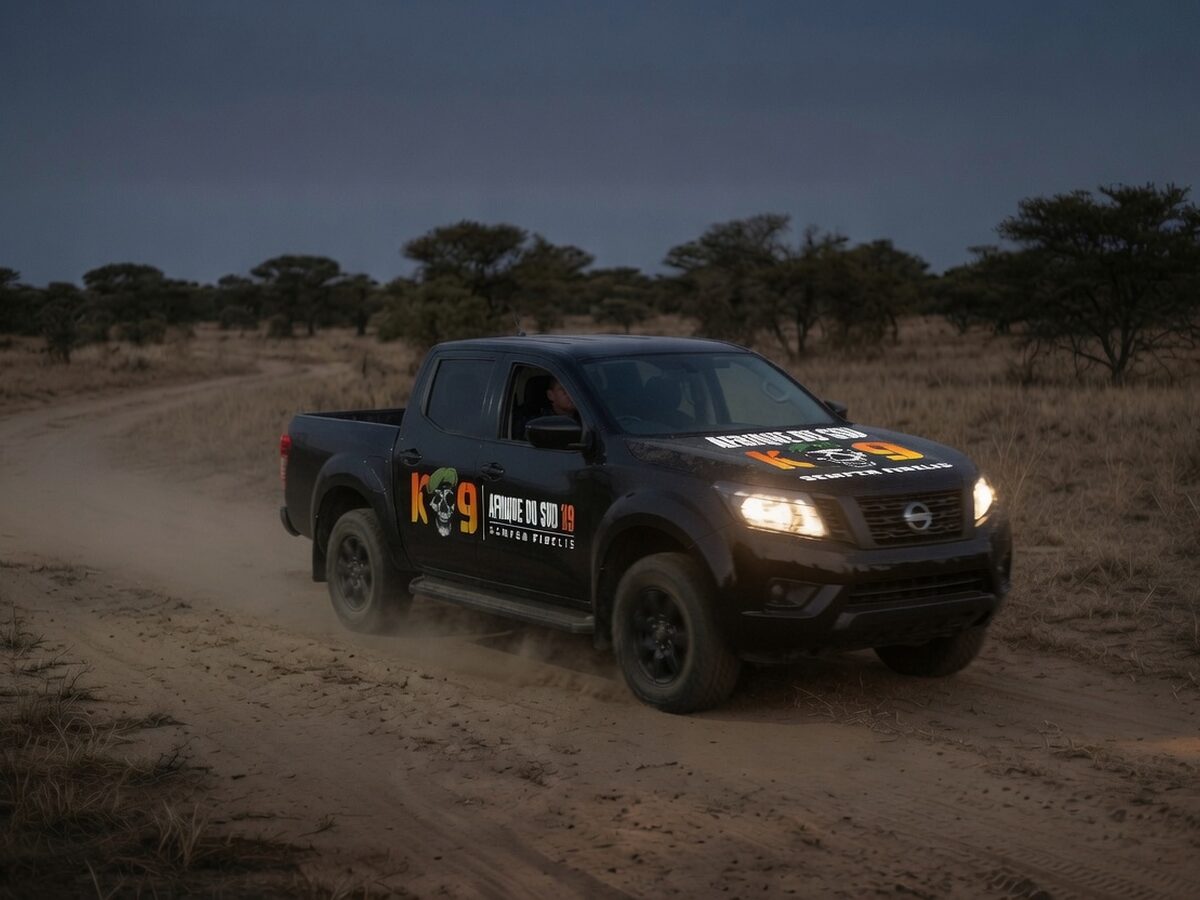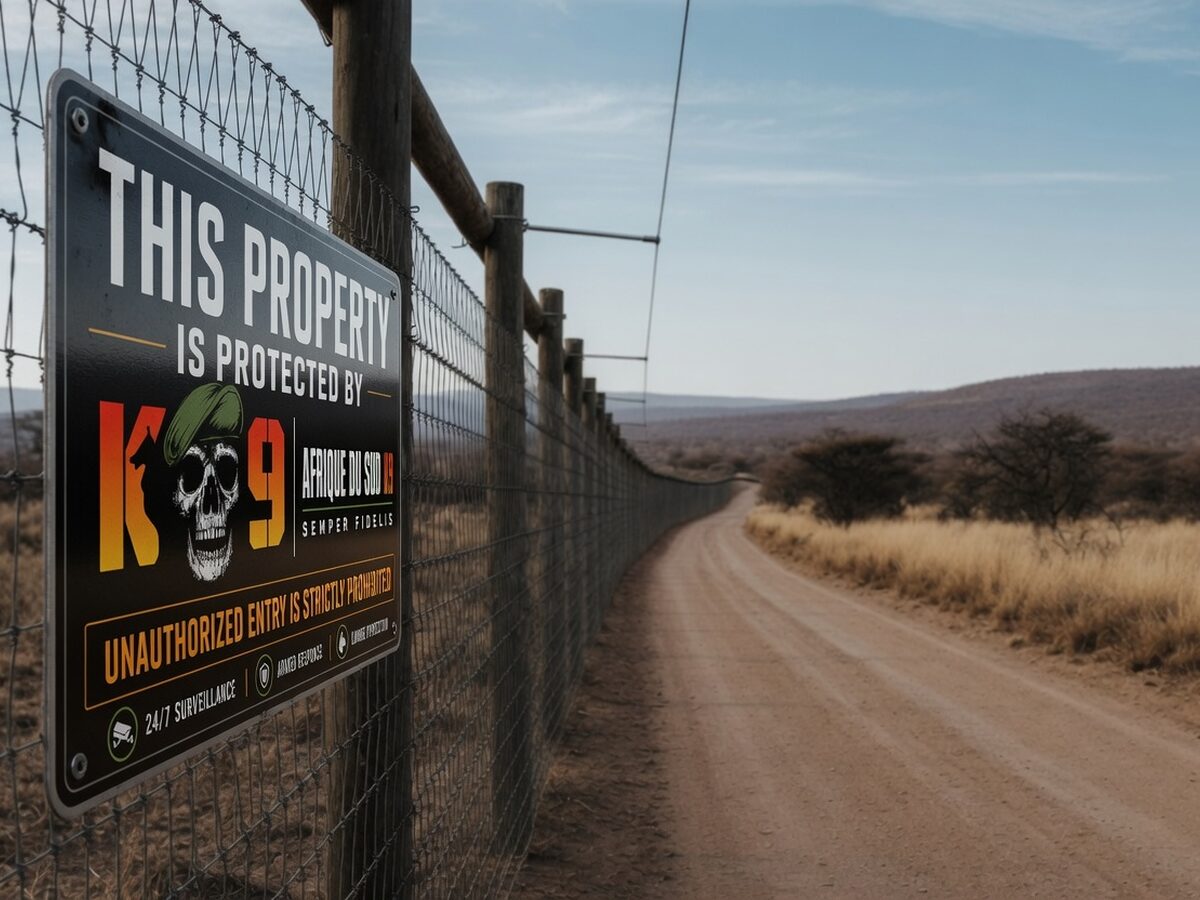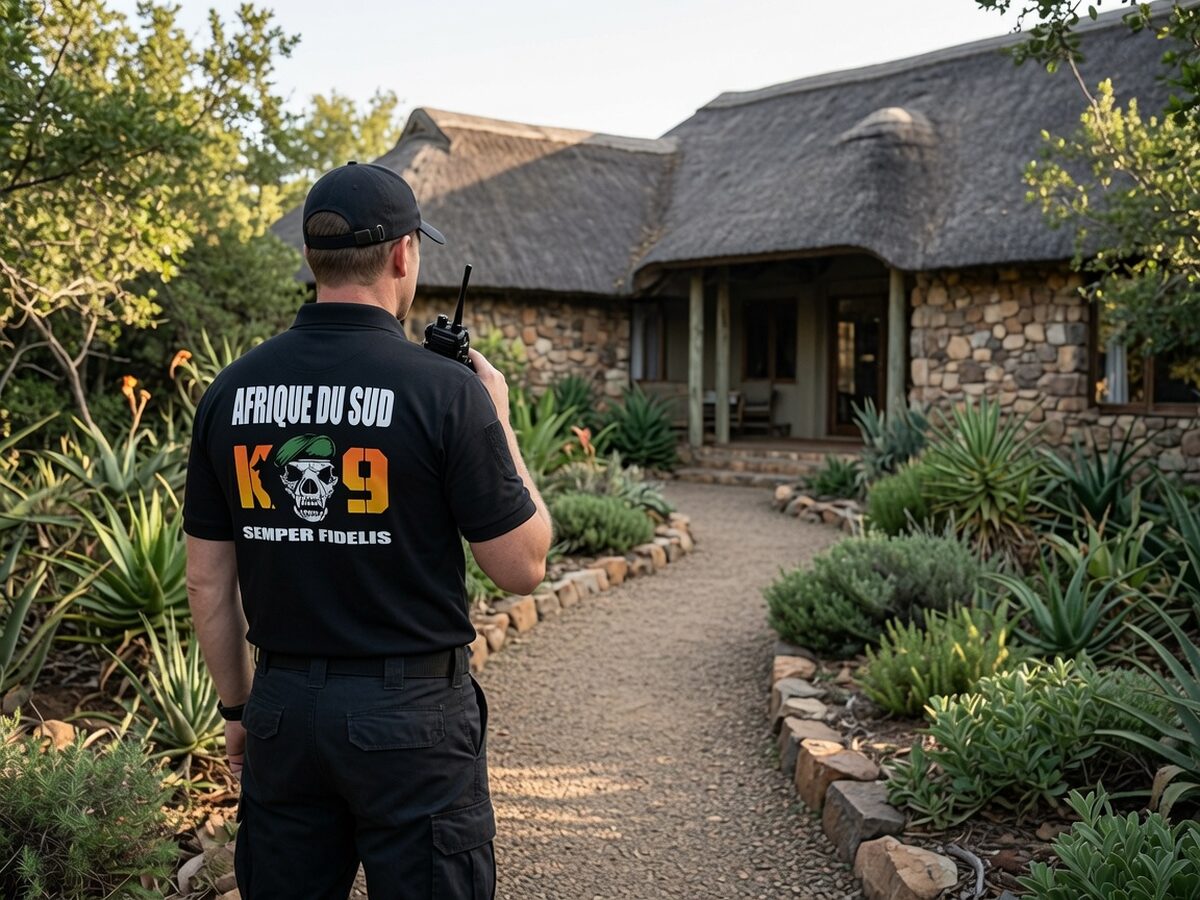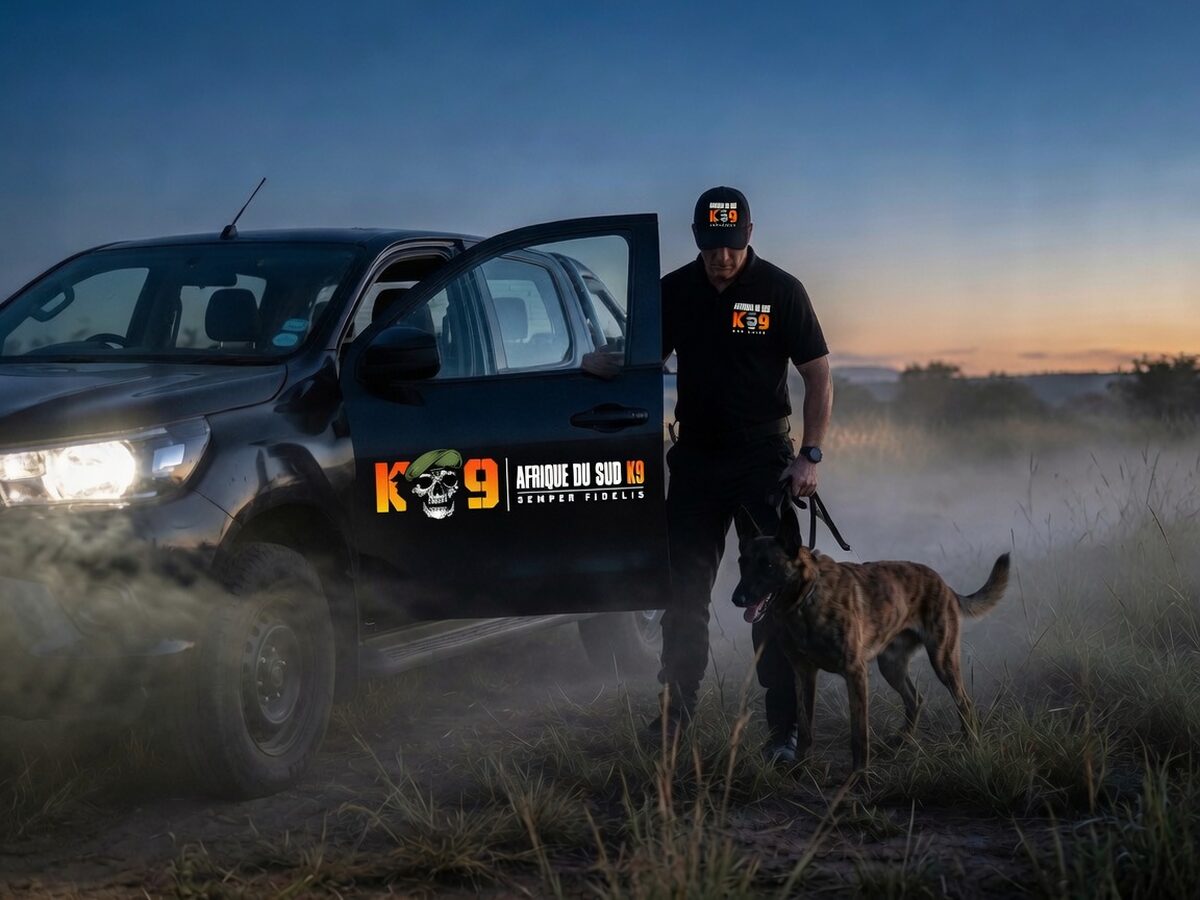
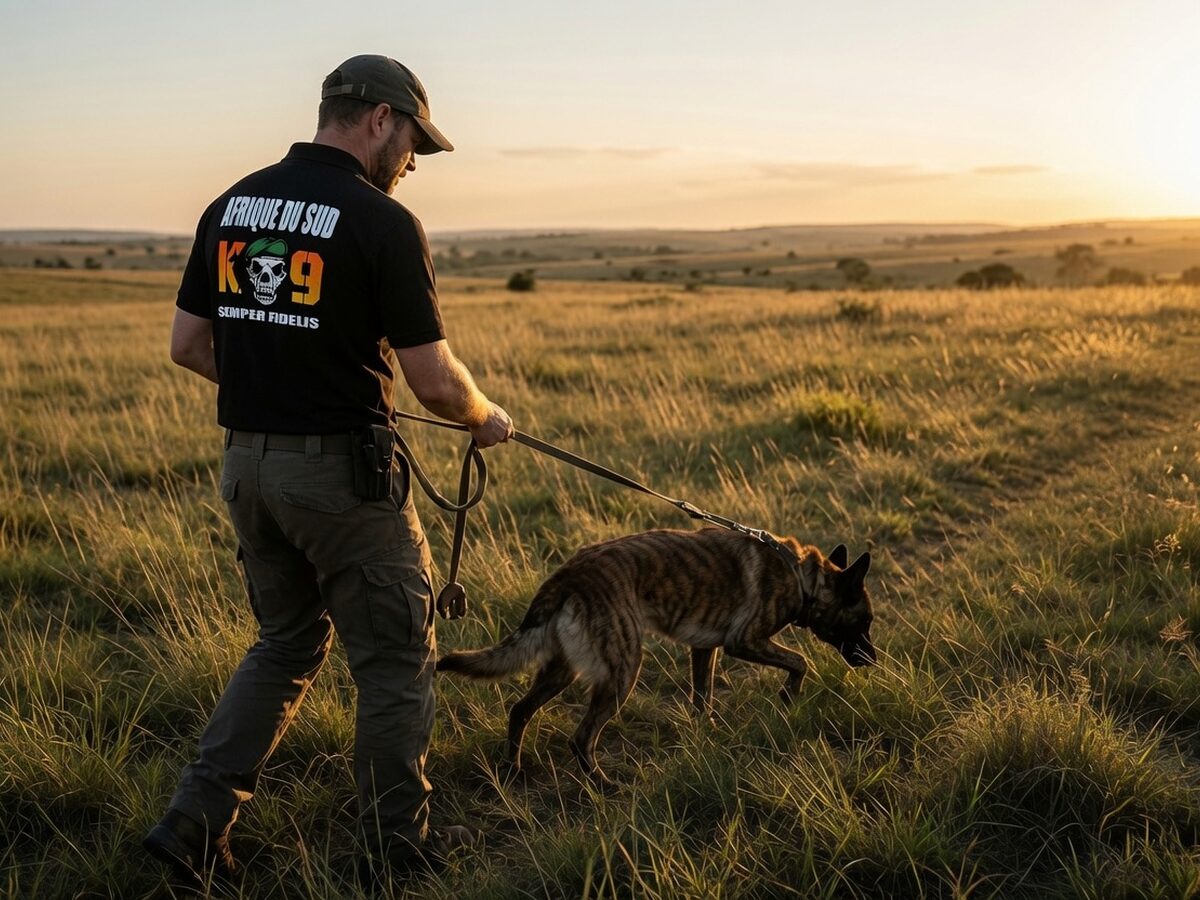
An anti-poaching K9 team on patrol in the bushveld

SERVICE · ANTI-POACHING & GAME RESERVES

Anti-Poaching & Game Reserves

Twenty years of field-tested anti-poaching work on game reserves, farms and open bushveld — K9, tracking and armed teams built for the realities of remote land. See where we operate in conservation.

20 YRS ANTI-POACHING · ARMED · K9

Wildlife crime, stock theft and reserve incursions don't behave like urban risk. They happen on open ground, in low light, across kilometres of fence line — and they're often planned days before the fence is cut. We've worked this terrain for two decades. Below: why the threat looks the way it does, what we put in the field, and how that reads on a game reserve specifically.

Why this matters

Game reserves, conservation properties and rural farms in the North West and beyond carry pressure that conventional, single-site security isn't built to hold. Poaching syndicates are organised, mobile and patient. Stock theft moves in cycles tied to terrain and market. Both rely on the same things working in their favour: distance, darkness and the assumption that nobody is watching the back fence.

The properties most exposed are usually the ones with the longest perimeters, the fewest neighbours and the slowest official response times. That is where we operate — and where K9, tracking and armed capability put the odds back the right way around.

Poachers plan around silence and distance. The job is to take both away.

A reserve isn't held by one capability — it's held by the right combination, applied in the right order. The four layers below run together as a single unit.

Perimeter Alarms

Fence-line sensors, beam detectors and intrusion alarms along the boundary stretches that get tested first. Signals route into our control room within seconds and can dispatch armed response — so a true alarm is acted on, not just logged.

Field K9

Trained working dogs deployed alongside experienced handlers, paired and field-tested before deployment. K9 brings detection and deterrence that personnel and electronics on their own can't produce — and in the bush, a dog still works after the lights and the signal stop.

Patrols & Response

Patrol vehicles crewed by armed reaction personnel cover ground between K9 deployments, hold cut-off points during a pursuit and bring weight to a callout. Coordinated from a single control room, vehicle teams keep the response time short across long perimeters.

Tracking & Forensics

Our Recon Tracker Team — handlers and tracking dogs selected for endurance and scent discipline — follows human-scent trails across distance and terrain conventional patrols can't reach. Tracking carries forward into incident reconstruction: sign, route, drop points, and a record that supports a case rather than ends with the chase.

Our units

Three working capabilities, each trained to operate as one unit with a qualified handler.

Anti-Poaching K9

The Anti-Poaching & Stock Theft Unit is the team most reserves engage us for. Trained dogs and handlers operate in the bush, on fence lines and across pasture — purpose-trained for the noise, scent and light conditions of rural deployment.

  • Purpose-trained for bushveld deployment
  • Deterrence first, apprehension second
  • Two decades of operational history

Tracking dogs

Recon Tracker Team handles the long pursuits — following scent across distance, terrain and time gaps that defeat untrained teams. Each tracking dog is paired with a single handler, trained together, deployed together and assessed together.

  • Scent discipline across distance and terrain
  • Clean evidence record for the case file
  • Doubles for missing-person and lost-stock callouts

Patrol & Detection

Patrol K9 teams hold the property between callouts. Handler-led patrol routes, scheduled and randomised, keep a visible working presence across the parts of a reserve that matter most — water points, gates, lodges, vulnerable boundary stretches.

  • Randomised patrol patterns by site
  • Access-point detection screening
  • Visible presence at high-value points

On a game reserve specifically

A game reserve is three properties in one — a working conservation area, a residential and guest environment, and a long, exposed boundary. Each needs a different kind of attention, run from the same plan.

Perimeter &
access

Fence-line patrols on foot and by vehicle, with camera and alarm coverage on the points most likely to be tested. Access gates are staffed, logged and tied into our control room.

Residential &
lodge

Guests, staff and lodge infrastructure carry the same protective standard as the rest of the reserve. Armed and unarmed guarding, controlled access, and K9 support on request.

Dawn, dusk & high-risk windows

Most poaching activity clusters around the edges of daylight and around lunar conditions that favour the intruder. Patrols, K9 deployment and response posture all shift to match those windows.

TRAINED IN-HOUSE

The dogs and handlers protecting reserves come through the same SASSETA-accredited pipeline we run for every other unit. That is what makes the standard hold in the bush.

Protecting a reserve, game farm or conservation?

Tell us about the property — boundary, terrain, current cover and the threats you're seeing. We'll come back with the right unit and a deployment plan.